
Pebbledash Painting in Cheltenham
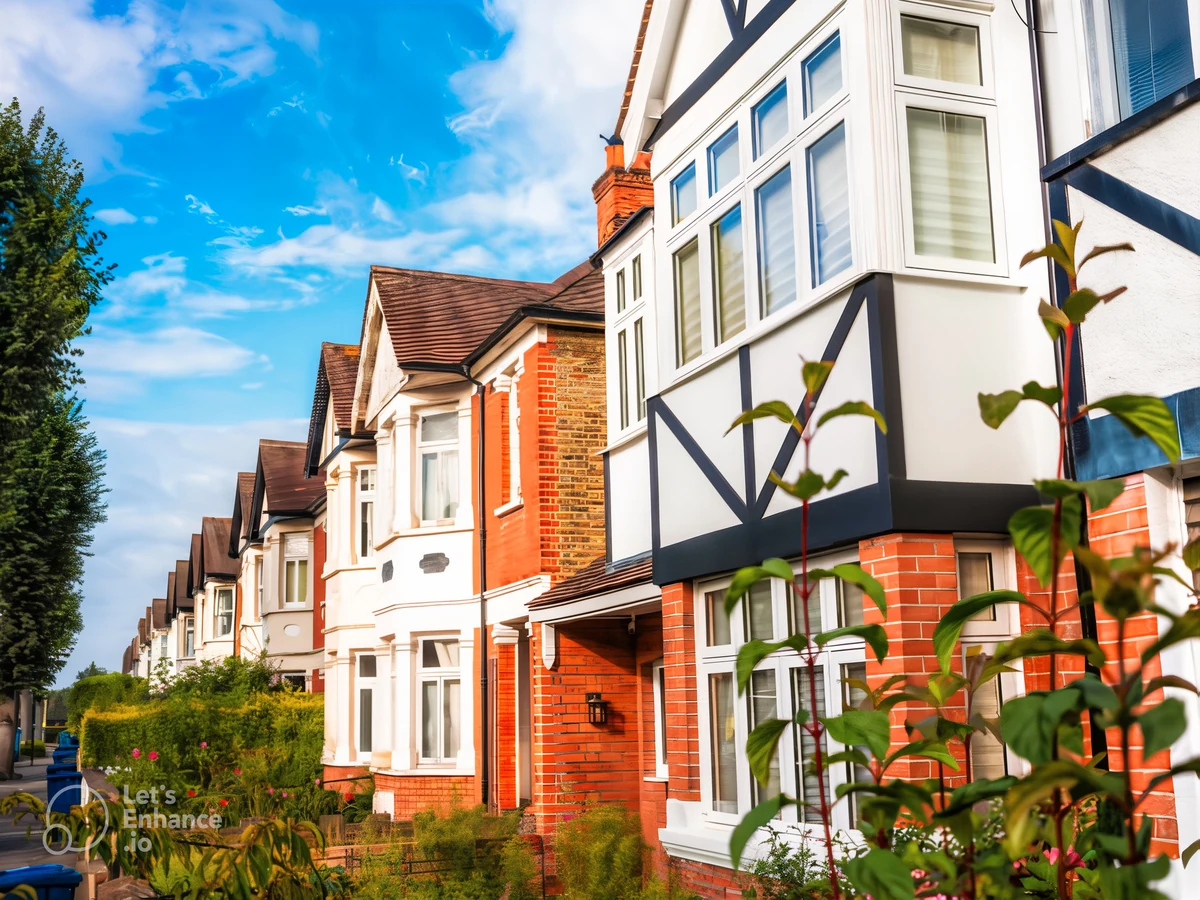
Cheltenham Decorators paint pebbledash exteriors across Cheltenham and the surrounding Gloucestershire area — interwar semis, postwar estates, and detached houses with pebbledash on part or all elevations.
We cover Cheltenham GL50, GL51, GL52, and the surrounding Cotswolds area.
- Pebbledash and pebble dash painting — colour refresh or full repaint
- Long-pile roller and brush application to fill crevices fully
- Pressure washing and biological growth treatment before any paint
- Inspection and filling of areas where pebbles have become detached
- Spray application for large elevations
We’ve worked on pebbledash properties throughout Cheltenham’s postwar estates, including Hesters Way, Benhall, Up Hatherley, and Warden Hill.
Call 01242 503600 for a free quote.
Why Choose Cheltenham Decorators
Experienced Team
Painters with extensive experience on Cheltenham’s interwar and postwar pebbledashed properties.
Clear Pricing
Fixed price from the first quote. No unexpected additions.
Fully Insured
Full public liability cover on every job.
Highly Recommended
The decorators we work with earn most of their jobs through repeat clients and referrals.
Get My Free Quote
Speak to a pebbledash painting specialist today
Pebbledash Painting Services
Pebbledash requires specialist techniques that differ from smooth render or standard masonry. We carry the right roller specification and product range on every pebbledash job.
How Pebbledash Is Painted
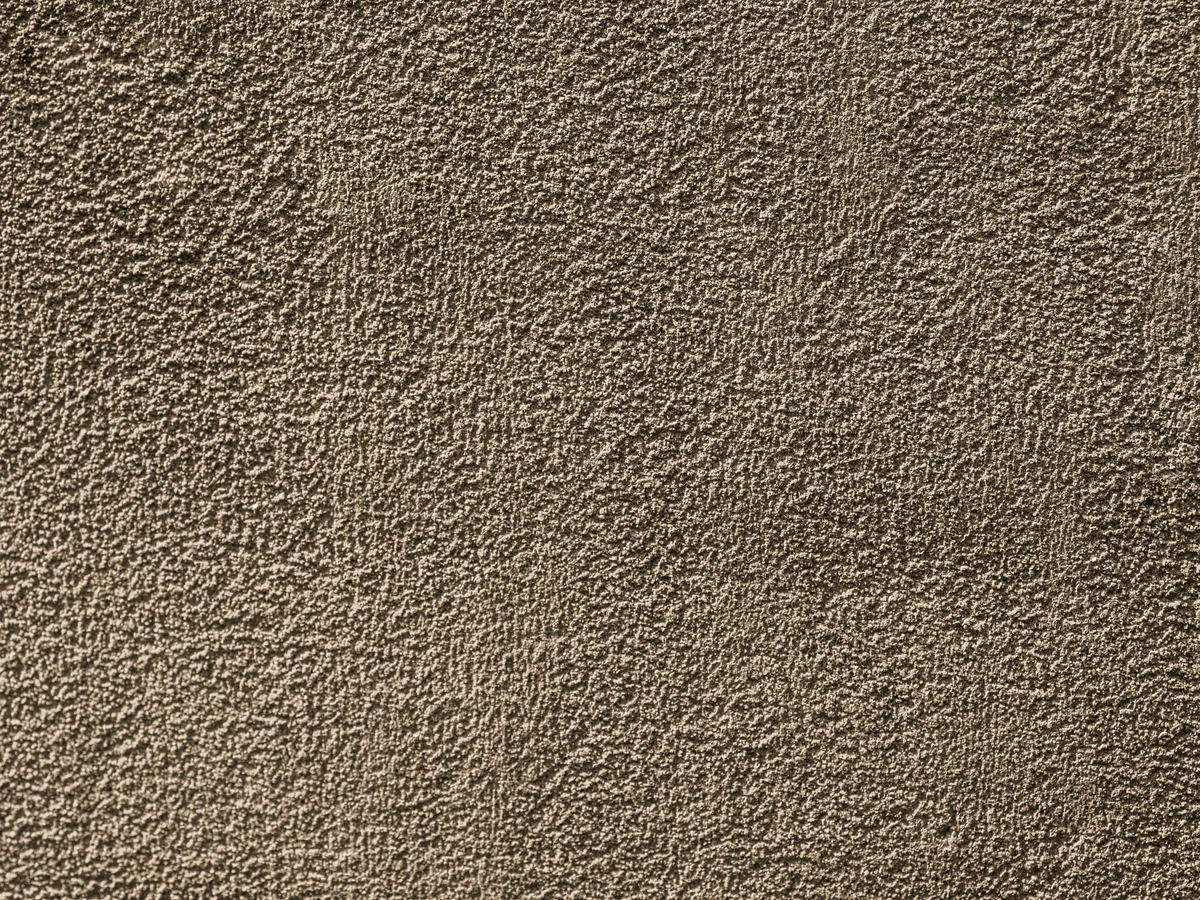
Pebbledash is a rough exterior finish where small stones or gravel are pressed into a wet render coat. A short-pile roller covers the tops of the pebbles but leaves the crevices unpainted — the result looks patchy and fails quickly where the paint film is thinnest.
The correct approach uses a long-pile masonry roller to drive paint into the gaps. A brush is then worked over the surface to ensure the crevices are covered. Paint consumption on pebbledash is significantly higher than on smooth or fine-textured render. We factor this into the quotation — the material cost for a pebbledash exterior is not the same as for a smooth one.
Preparation: Washing and Treating the Surface
Preparation on pebbledash takes longer than on smooth render, and this is where the quality of the finished job is determined. Moss, algae, and lichen accumulate readily in the pockets between pebbles on north-facing and shaded elevations.
Cheltenham’s interwar semis in Hesters Way, Benhall, Up Hatherley, and Warden Hill frequently present with heavy biological growth on rear and side elevations. This growth must be treated, not just washed off. Your decorator applies a mould treatment to affected areas, allows it to work, then pressure washes thoroughly before any paint is applied. Where pebbles have become detached, your decorator fills the gaps with exterior filler or flexible masonry sealant before priming.
Colour Options and Paint Selection
Pebbledash colour changes are among the most dramatic exterior transformations available. A 1950s semi in Springbank or Hatherley that has sat in tired grey-white pebbledash for decades can look entirely different in a warm sand, slate grey, or off-white.
Your decorator uses breathable masonry paint on all pebbledash surfaces. Pebbledash has a sand-cement render base that needs to release moisture as the wall heats and cools. Film-forming paint traps moisture in the render — causing bubbling, lifting, and premature failure. Popular options include Dulux Weathershield Smooth Masonry, Johnstone’s Stormshield, and Sandtex Fine Textured. Colour matching to any BS or RAL reference is possible.
Partial Pebbledash and Repair Work
Partial Pebbledash: Upper Storey or Feature Banding
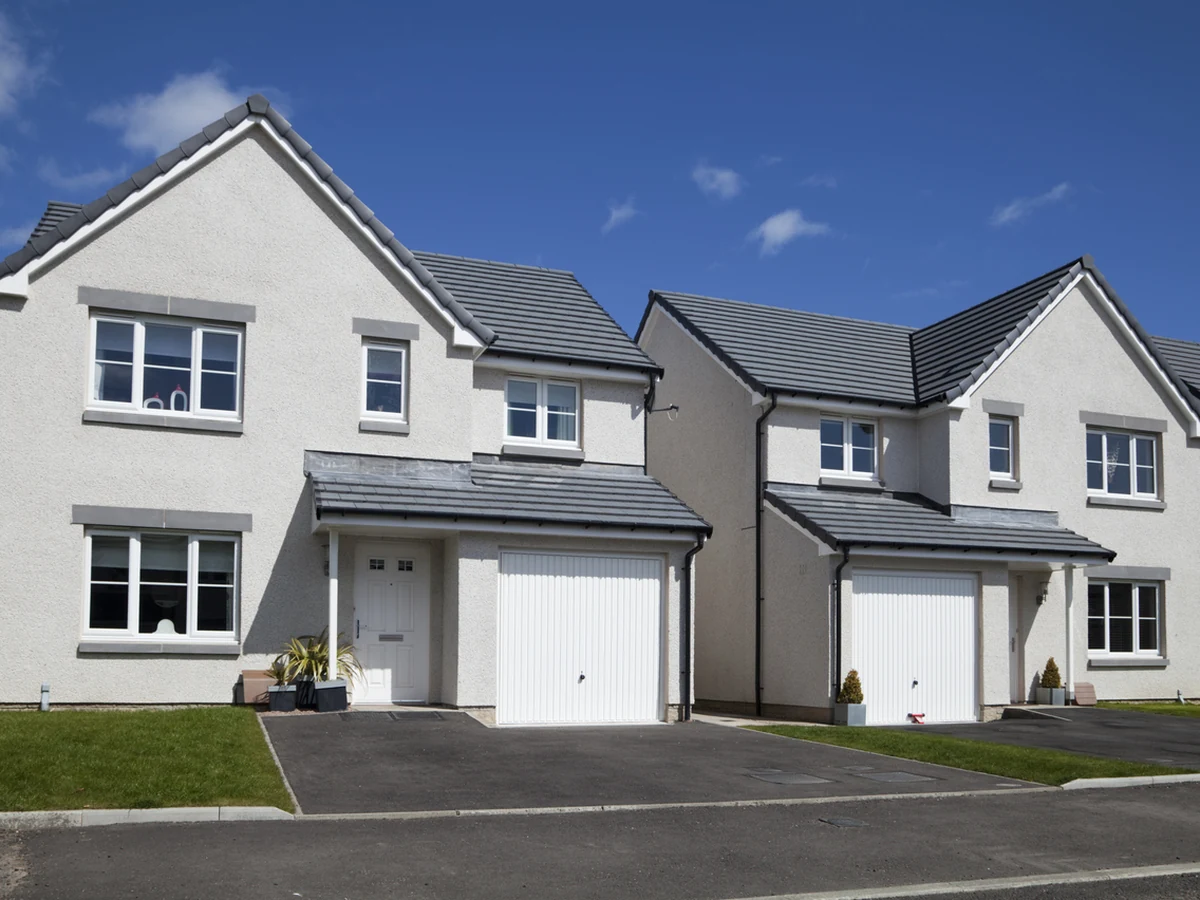
Many properties across Cheltenham’s postwar estates in Hatherley and Springbank have pebbledash only on the upper half of the elevation, with smooth render or brick below. This is a common construction approach on 1950s and 1960s housing, and it means the job involves two different surfaces with different application methods.
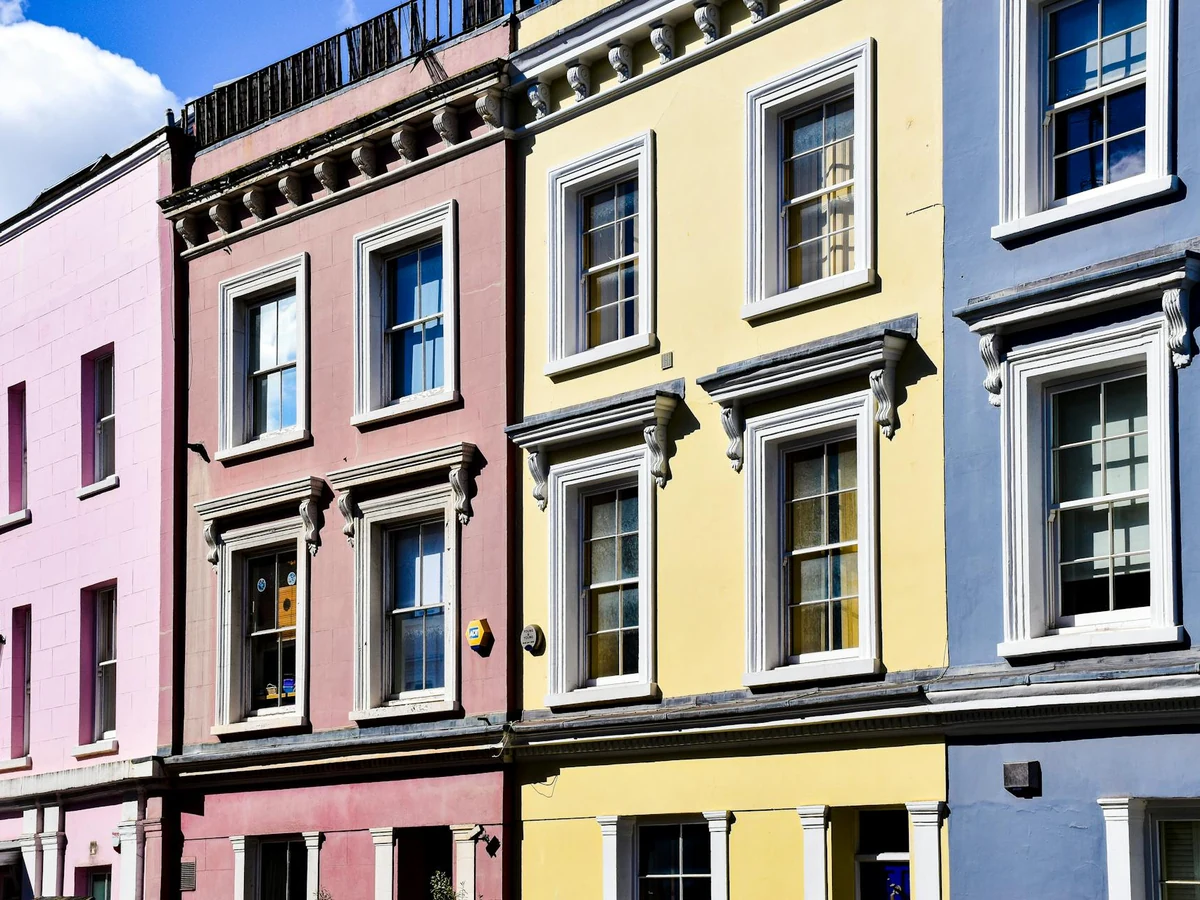
Where the boundary between pebbledash and smooth render or brickwork is in good condition, both sections are painted separately. For smooth rendered surfaces, see our render painting page. For brick, stone, and block surfaces, see our masonry painting service.
Pebbledash Repairs Before Painting
Where areas of pebbledash have lost significant pebble coverage, your decorator fills and primes the area before painting. On the postwar estates around Up Hatherley and Warden Hill, pebbledash from the 1950s and 1960s is now sixty-plus years old — significant pebble loss is not unusual.
For properties where the pebbledash is failing extensively across multiple elevations, we give an honest assessment at the quotation stage. In most cases, professional painting with the right preparation extends the life of the pebbledash considerably. In some cases, a re-dash or render-over by a specialist is the better long-term option.
Here’s How It Works
1. Site Assessment
Your decorator inspects the pebbledash type, surface condition, biological growth, and detached areas before quoting.
2. Fixed Quote
We provide a written price before starting. No scope creep.
3. Preparation
Pressure washing, mould treatment, crack filling, and priming — completed fully before any paint is applied.
4. Paint Application
Long-pile roller and brush in two coats of breathable masonry paint, ensuring crevice coverage throughout.
5. Final Check
Your decorator walks the elevation before packing up and addresses any misses before we leave.
Get My Free Quote
Get a fixed price for your pebbledash painting
Pebbledash Painting Costs in Cheltenham
Prices below are estimates only. Every property is different. Call 01242 503600 for a precise quote.
Typical Price Ranges
3-bed terrace with pebbledash upper half: £550–£900. 3-bed semi (pebbledash throughout): £800–£1,500. 4-bed detached (fully pebbledashed): £1,200–£2,200. Scaffold tower hire if required: £200–£400 additional.
What Affects the Cost
Coverage extent — pebbledash on the upper half only is a materially smaller job than full-house pebbledash. Surface condition — heavy biological growth, significant pebble detachment, or staining adds preparation time. Paint quantity — pebbledash consumes more paint per m² than smooth render, and this affects materials cost regardless of size.
Combining Services
Pebbledash painting is part of our wider exterior painting service. For smooth rendered walls, see our render painting page. For brick, stone, and blockwork, see our masonry painting service.
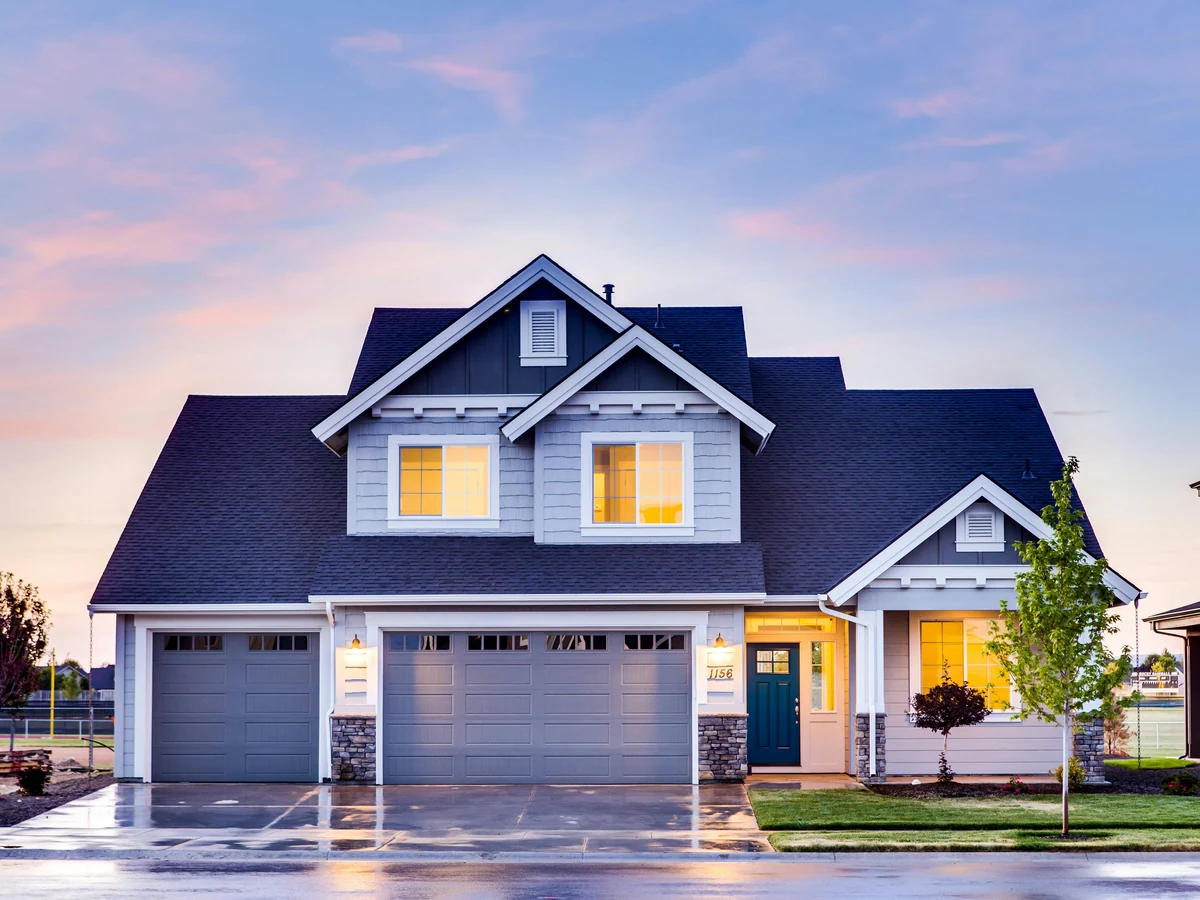
Cheltenham Decorators quote pebbledash painting as a fixed price after a site visit. Pebbledash on Cheltenham’s postwar estates consumes 30 to 50 percent more paint per m² than smooth render.
Pebbledash Painting FAQs
Get My Free Quote
Fill in the form below for a free quote: