
Render Painting in Cheltenham
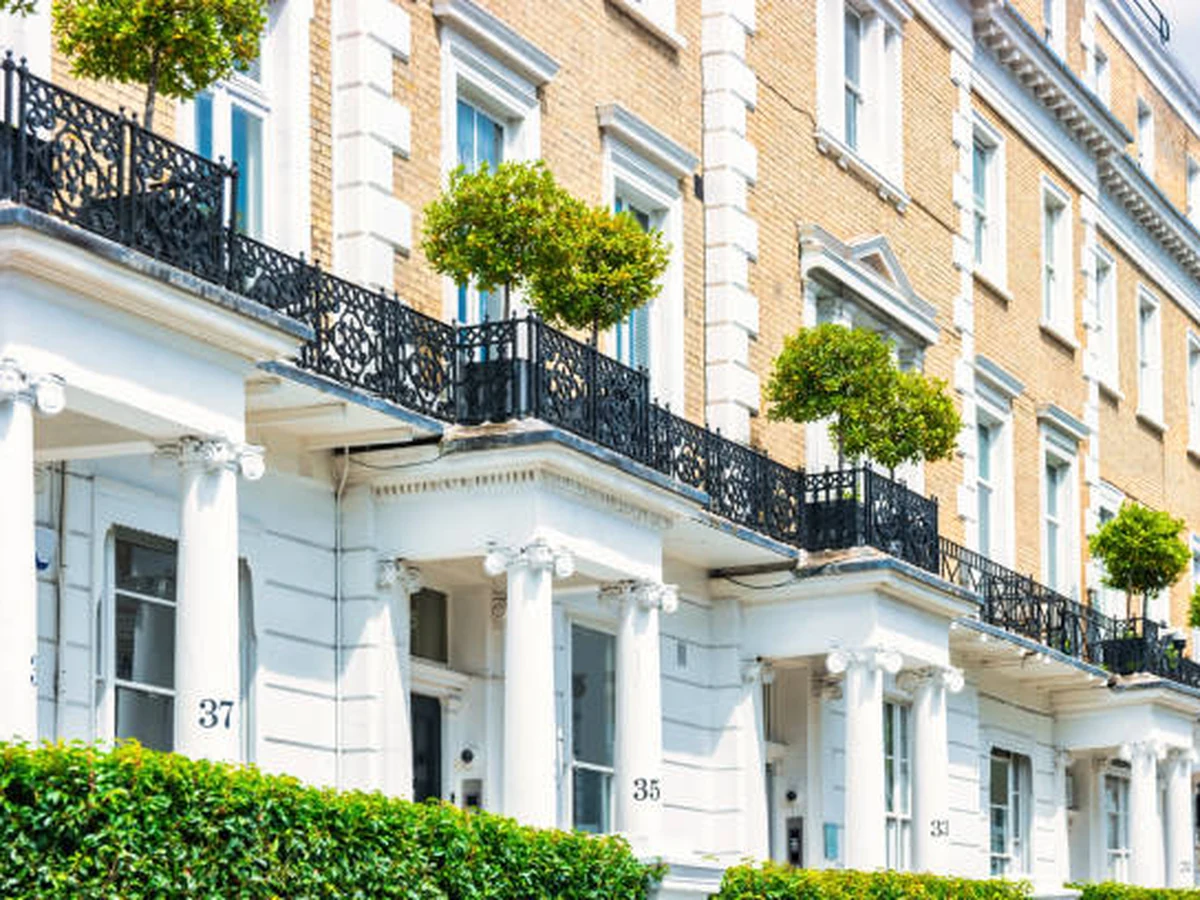
Cheltenham Decorators paint rendered exterior walls across Cheltenham — smooth and fine-textured render, sand-faced finishes, K-Rend, monocouche, and lime render on period properties.
We cover Cheltenham GL50, GL51, GL52, and the surrounding Cotswolds area. Rendered walls need a different approach from brick or stone.
- Smooth and fine-textured render — colour refresh or full repaint
- Sand-faced and roughcast render — thick-nap application and surface treatment
- K-Rend and polymer render systems — correct paint selection for modern thin-coat render
- Lime render on Regency and period properties — breathable coatings required
- Surface preparation — crack filling, mould treatment, and priming before any paint is applied
We’ve worked on rendered exteriors throughout Cheltenham: Regency stucco in Montpellier and Lansdown, postwar roughcast in Hesters Way and Benhall, and K-Rend on newer extensions in Leckhampton.
Call 01242 503600 for a free quote.
Why Choose Cheltenham Decorators
Experienced Team
Painters with extensive experience on Cheltenham’s period and modern rendered properties.
Clear Pricing
Fixed price from the first quote. No unexpected additions.
Fully Insured
Full public liability cover on every job.
Highly Recommended
The decorators we work with earn most of their jobs through repeat clients and referrals.
Get My Free Quote
Speak to a render painting specialist today
Render Painting Services
Smooth render, textured render, K-Rend, and lime render each need different preparation, products, and application methods. Using the wrong approach on any of them causes early failure.
Smooth Render
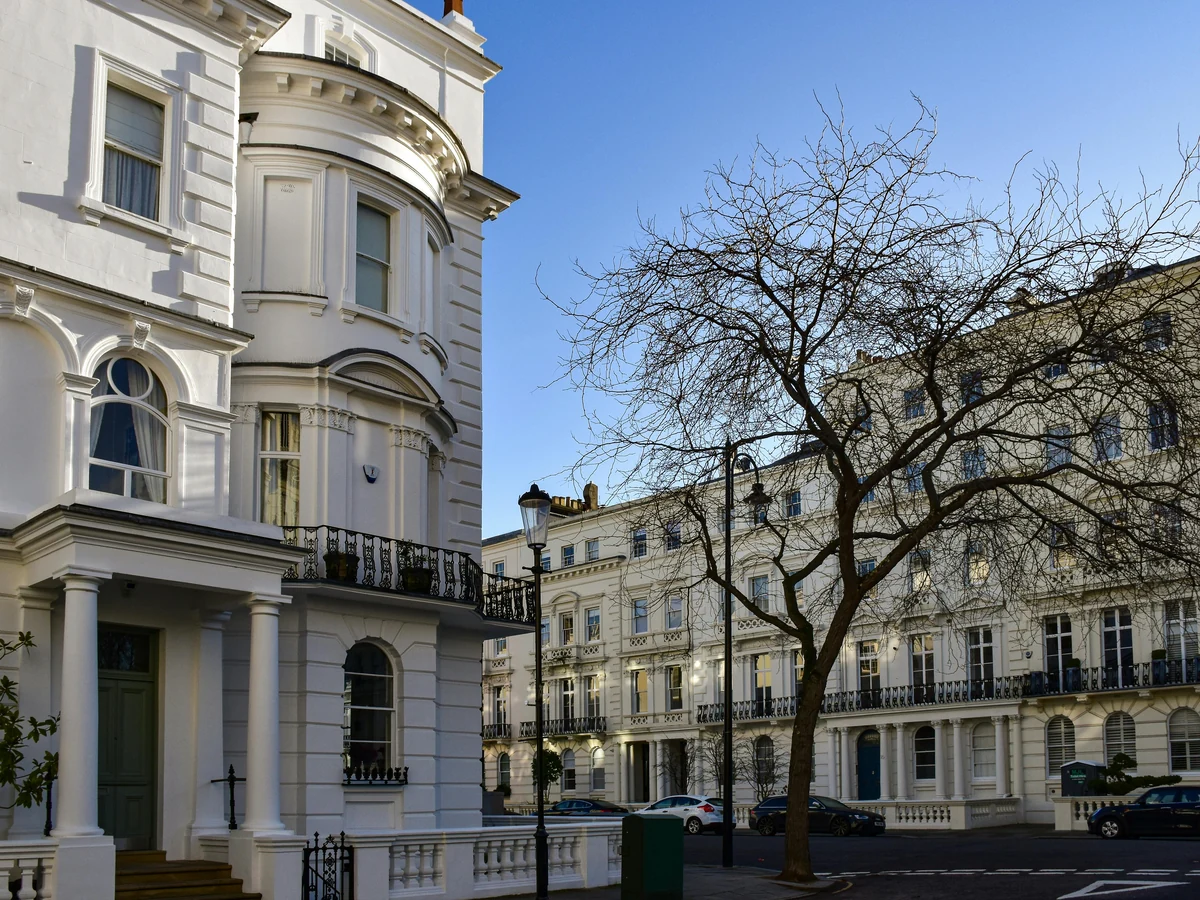
Smooth render is the most common finish on Cheltenham properties, including the stucco-fronted Regency townhouses and terraces in Montpellier, Pittville, Lansdown, and Bayshill. It is also widespread on 1960s–80s infill housing across Cheltenham’s central areas.
A smooth render surface accepts paint well, but only with the right preparation. We clean the surface, treat any biological growth, fill hairline cracks, and prime before applying finish coats. Breathable masonry paint is non-negotiable on Cheltenham’s Regency stucco — standard exterior emulsion seals the surface and traps moisture, causing bubbling, flaking, and in the worst cases, spalling of the lime mortar underneath.
Sand-Faced and Textured Render
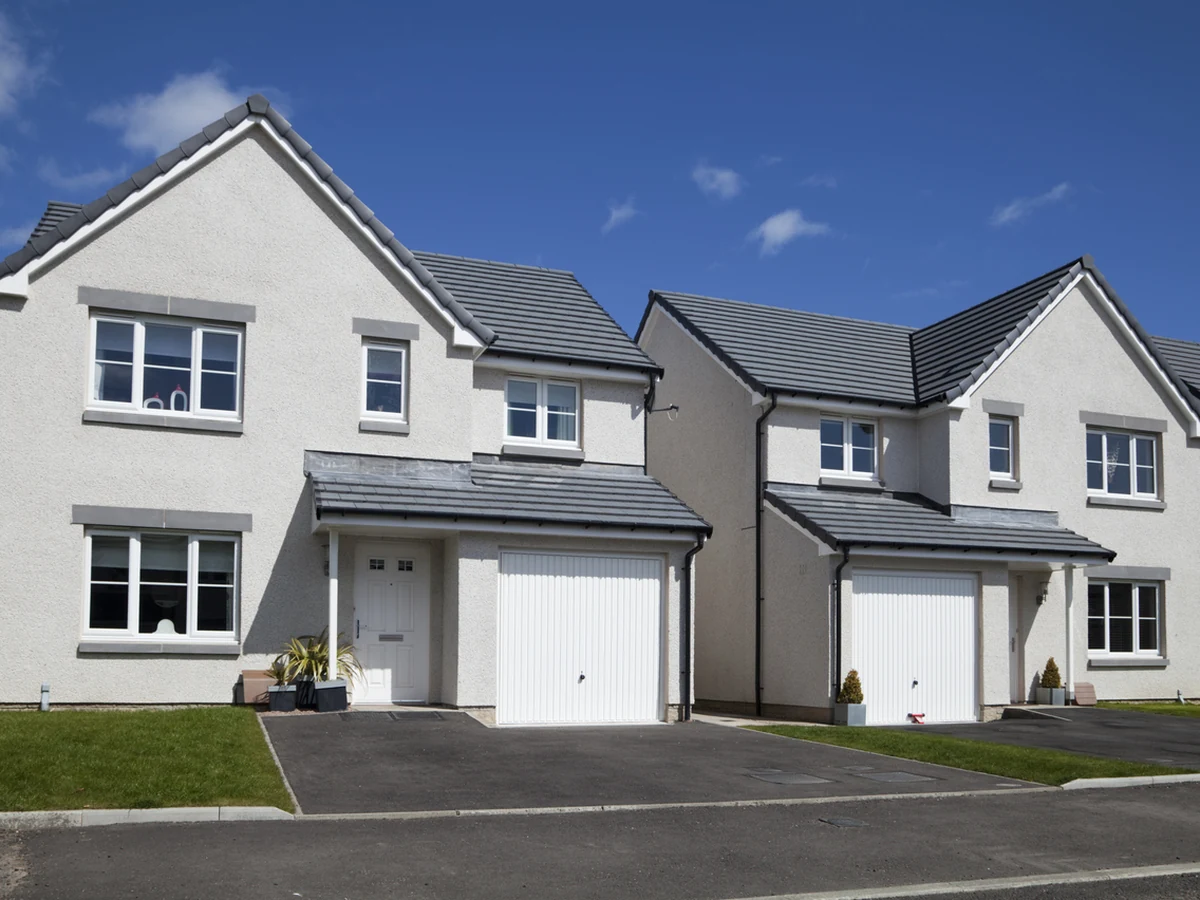
Sand-faced and roughcast finishes have a coarser texture than smooth render. They are common on Cheltenham’s postwar estates and 1970s–90s housing, including parts of Hesters Way, Benhall, and Up Hatherley.
Textured render requires a thick-nap roller and, on heavily weathered surfaces, a primer coat before the finish. The surface area is higher than for smooth render — a textured finish absorbs significantly more paint per square metre than a flat surface. Your decorator assesses texture depth at the quotation stage and factors this into both the product specification and the price. For pebbledash textures, see our pebbledash painting page.
K-Rend and Monocouche
K-Rend and other polymer render systems are a modern, thin-coat finish found on newer properties and some extensions. The render is typically coloured in the mix at application. Over time the colour fades, the surface accumulates algae and staining, and owners look to restore it.
K-Rend can be painted, but standard masonry paint is often the wrong choice — polymer renders are less absorbent than traditional sand-cement render and some products sit poorly on the surface without a compatible primer. We select paint systems designed for polymer renders. Newer properties in Leckhampton and Charlton Kings with K-Rend cladding on extensions or full elevations are a common enquiry for us.
Lime Render on Period Properties
Lime render behaves differently from modern cement-based render. It is softer, slightly flexible, and designed to be breathable — allowing moisture to move in and out of the wall rather than trapping it. Cheltenham’s Grade II listed and conservation area properties in Montpellier and Lansdown frequently have original or sympathetically restored lime render.
Applying standard masonry paint or cement-based filler to lime render is one of the most common mistakes made by decorators without period property experience. Your decorator uses breathable coatings specifically formulated for lime render. Your decorator does not fill lime render cracks with rigid exterior filler — where repairs are needed, they use flexible sealant or recommend a specialist lime mortar repair before work begins.
Surface Preparation and Breathable Coatings
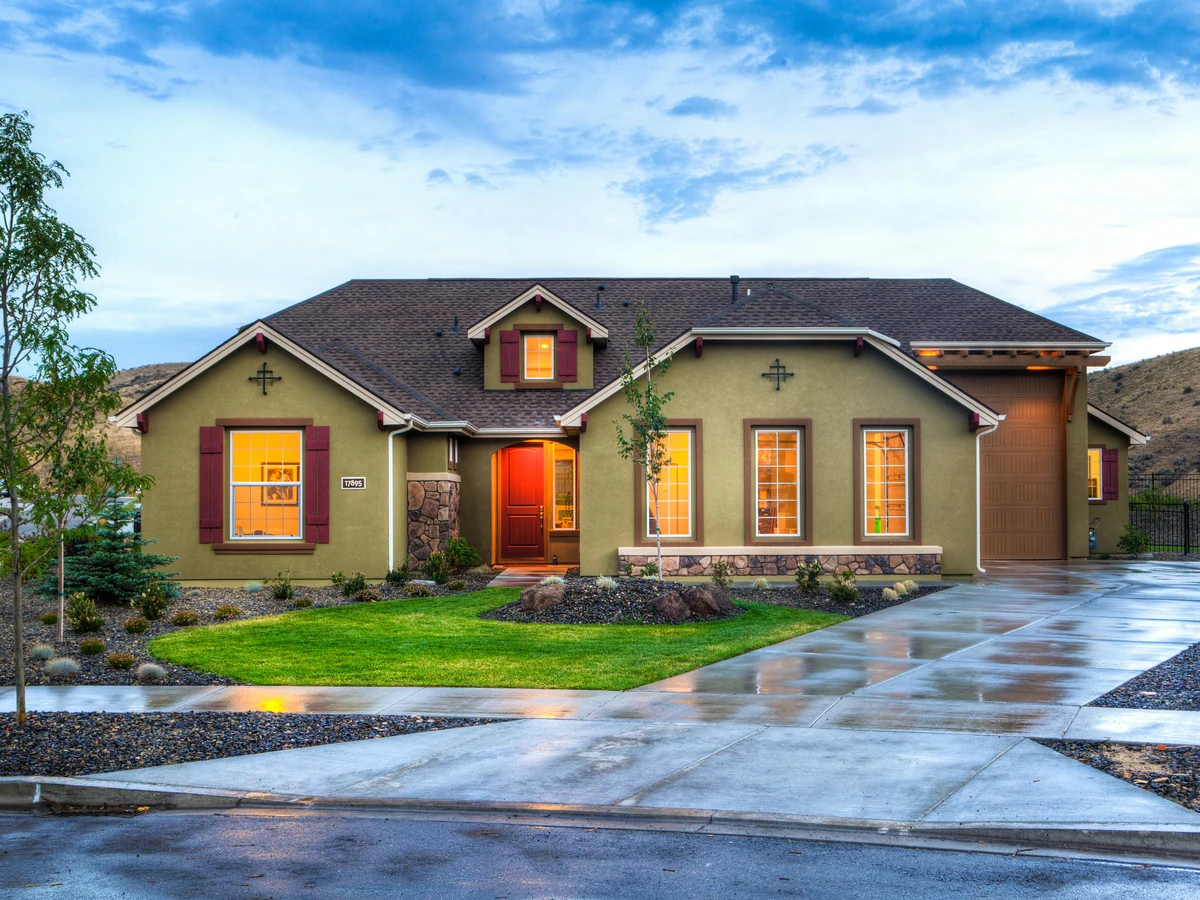
Our Standard Preparation Sequence
Preparation is the majority of the job. On a rendered exterior in poor condition, preparation can account for half the total time on site.
Our standard sequence: pressure wash or hand-scrub to remove algae, lichen, moss, and surface dirt; apply a mould treatment where biological growth is present and allow to dry fully; fill hairline cracks with appropriate exterior filler or flexible sealant; mask all windows, doors, and sills; apply masonry primer to bare, repaired, or heavily porous areas; apply breathable masonry paint in one or two finish coats by brush, roller, or spray depending on scale and surface texture.
Why Breathable Coatings Matter
We only use breathable masonry paint on rendered surfaces. The render needs to breathe. A film-forming paint that traps moisture will fail visibly within a few seasons — bubbling, flaking, and on period stucco, spalling of the render beneath.
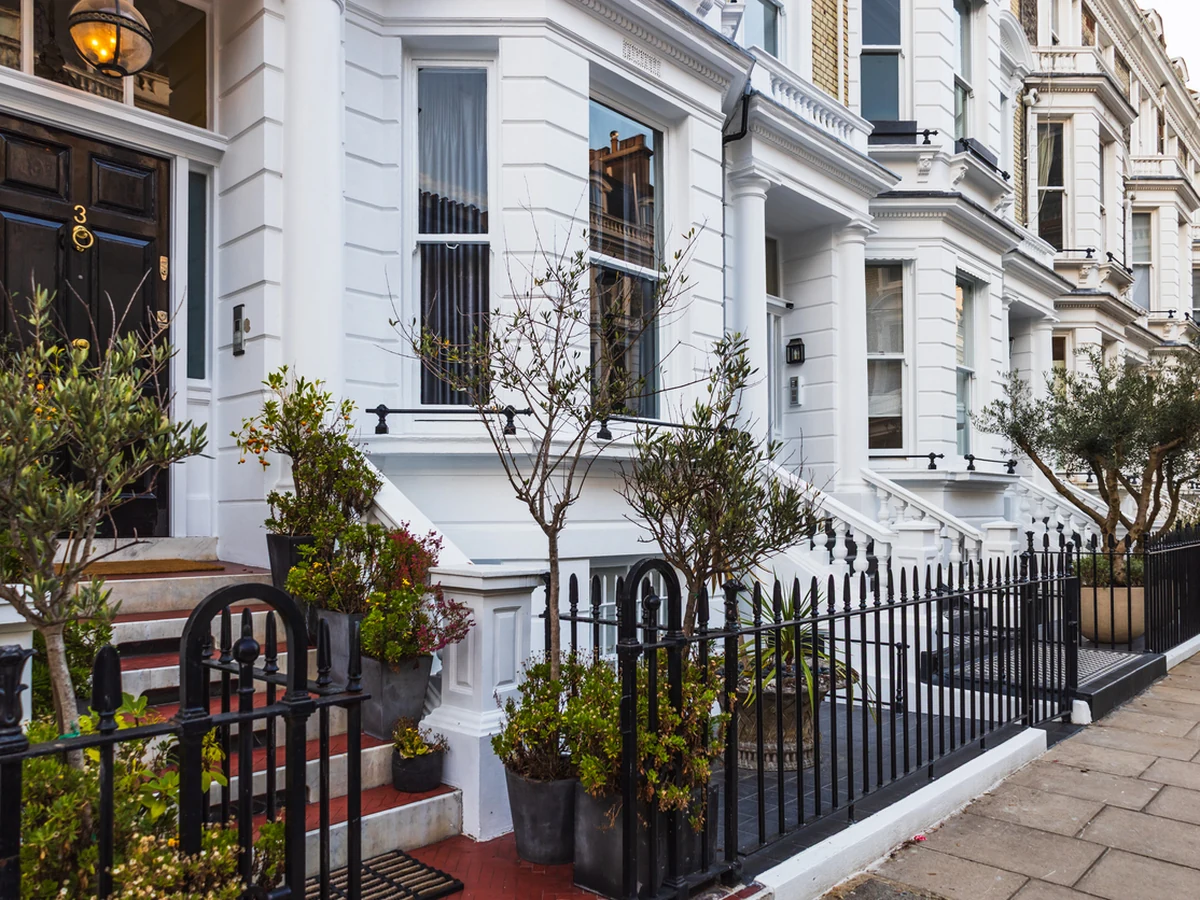
On Cheltenham’s Regency properties in Montpellier and Lansdown, breathability is not a preference — it is a requirement. The stucco and lime render on these buildings is designed to move moisture through the wall. Sealing the surface causes structural damage over time. For a full exterior refresh including woodwork and fascias, see our exterior painting page.
Here’s How It Works
1. Site Assessment
Your decorator looks at the render type, surface condition, existing paint adhesion, cracks, and any biological growth before quoting.
2. Fixed Quote
We provide a written price before starting. No scope creep.
3. Preparation
Cleaning, mould treatment, crack filling, and priming — completed fully before any finish coat goes on.
4. Paint Application
Breathable masonry paint in the correct specification for the render type, applied by brush, roller, or spray.
5. Final Check
Your decorator walks the elevation before packing up. Any misses are addressed before we leave.
Get My Free Quote
Get a fixed price for your render painting
Render Painting Costs in Cheltenham
Prices below are estimates only. Every property is different. Call 01242 503600 for a precise quote.
Typical Price Ranges
A typical three-bed rendered property costs between £900 and £1,600 for all elevations, including preparation, priming, and two finish coats.
3-bed terrace (rendered front elevation only): £450–£800. 3-bed semi (all rendered elevations, e.g. Hesters Way or Benhall): £900–£1,600. 4-bed detached (fully rendered, e.g. Battledown or Charlton Kings): £1,400–£2,500. Scaffold or scaffold tower if required: £300–£600 additional.
What Affects the Cost
Render type — textured and roughcast finishes use more paint than smooth render; K-Rend and lime render require specific products at a higher cost per litre. Surface condition — heavy algae, significant cracking, or areas of bare render add preparation time. Access — two-storey elevations without clear scaffold access require a tower or additional ladder work.
Combining Services
Render painting is part of our wider exterior painting service. For pebbledash surfaces, see our pebbledash painting page. For brick, stone, and blockwork, see our masonry painting service.
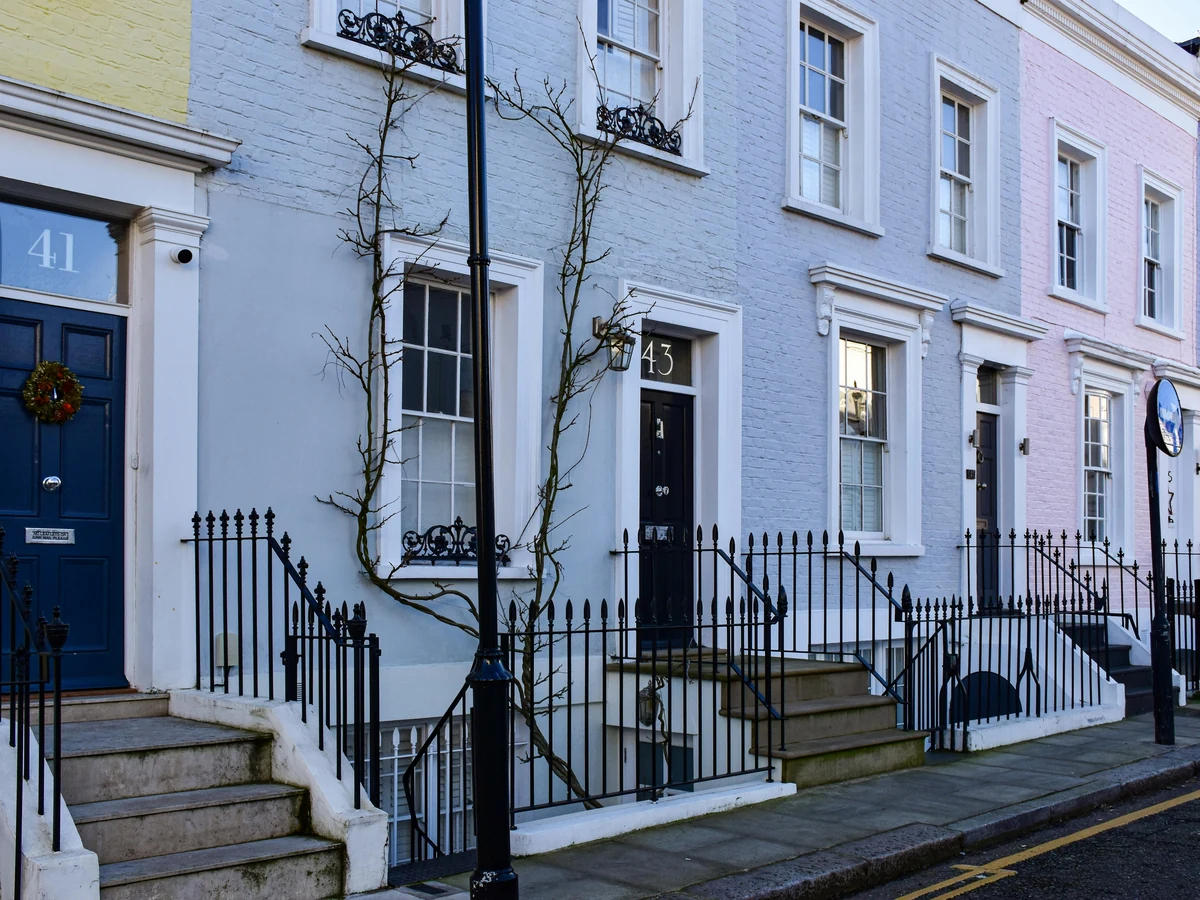
Cheltenham Decorators quote render painting as a fixed price after a site visit. K-Rend and lime render products cost 20 to 40 percent more per litre than standard masonry paint, and this is reflected in the material cost.
Render Painting FAQs
Get My Free Quote
Fill in the form below for a free quote: